What Organisations Can Learn from the Christian Eriksen Incident
When Christian Eriksen suddenly collapsed during a friendly match for Denmark, the football world once again held its breath. Five years earlier, during the UEFA European Championship in 2021, the Danish midfielder suffered a cardiac arrest on the pitch. This time, however, the situation was different: his implantable cardioverter-defibrillator (ICD) activated and protected him from a dangerous heart rhythm disorder.
Fortunately, Eriksen was able to leave the field under his own power shortly afterwards and later confirmed that he was doing well. Nevertheless, the incident raises an important question once again: how well prepared are we when someone suddenly suffers a cardiac arrest?
Medical Emergencies Always Come Unexpectedly
What Eriksen's story demonstrates is that a medical emergency can happen to anyone. On a sports field, in an office, in a shop, or at an event.
No one expects someone to suddenly collapse. That is exactly why preparation is so important. When a cardiac arrest or serious heart rhythm disorder occurs, every second counts.
In Eriksen's case, doctors and medical personnel were immediately available. In everyday life, it is often colleagues, teammates, visitors, or bystanders who are the first to respond.
Acting Quickly Saves Lives
During a cardiac arrest, the heart stops effectively pumping blood around the body. Without immediate assistance, the chance of survival decreases with every passing minute.
Survival rates are highest when bystanders immediately:
- Call the emergency services.
- Start CPR.
- Use a defibrillator as soon as one is available.
Together, these actions form what is known as the chain of survival. The faster this chain is activated, the greater the chance of a positive outcome.
The Importance of a defibrillator
Christian Eriksen has had an ICD since 2021. This device continuously monitors his heart rhythm and can automatically intervene when a dangerous arrhythmia is detected.
When someone without an ICD suffers a cardiac arrest, their survival depends on rapid emergency response and the availability of a defibrillator. This is why defibrillators are so important in public locations, sports clubs, and workplaces.
What Is the Difference Between an ICD and a defibrillator?
Following the incident involving Christian Eriksen, many people have been asking what exactly the difference is between an ICD and a defibrillator.
An ICD (Implantable Cardioverter Defibrillator) is a small device that is surgically implanted in the body. It continuously monitors the heart rhythm of one individual and can automatically intervene when a dangerous heart rhythm disorder is detected.
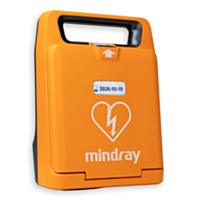
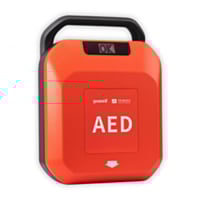
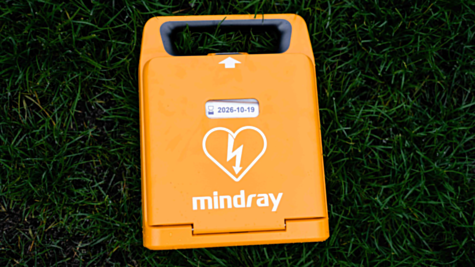
A defibrillator, also known as an AED (Automated External Defibrillator), is a portable device used when someone unexpectedly suffers a cardiac arrest. The AED analyses the heart rhythm and guides bystanders step by step through the emergency response process.
Eriksen's ICD personally protected him from a life-threatening arrhythmia. Most people do not have that level of protection. That is why public-access defibrillators in businesses, sports clubs, and other locations remain so important.
Is Your Organisation Prepared?
Many organisations pay close attention to fire safety but think less often about medical emergencies. Yet a cardiac arrest can occur anywhere.
Some questions organisations should ask themselves include:
- Is there an AED on-site?
- Do employees know where it is located?
- Are there trained first responders or employees with CPR knowledge available?
- Is it clear what actions should be taken during an emergency?
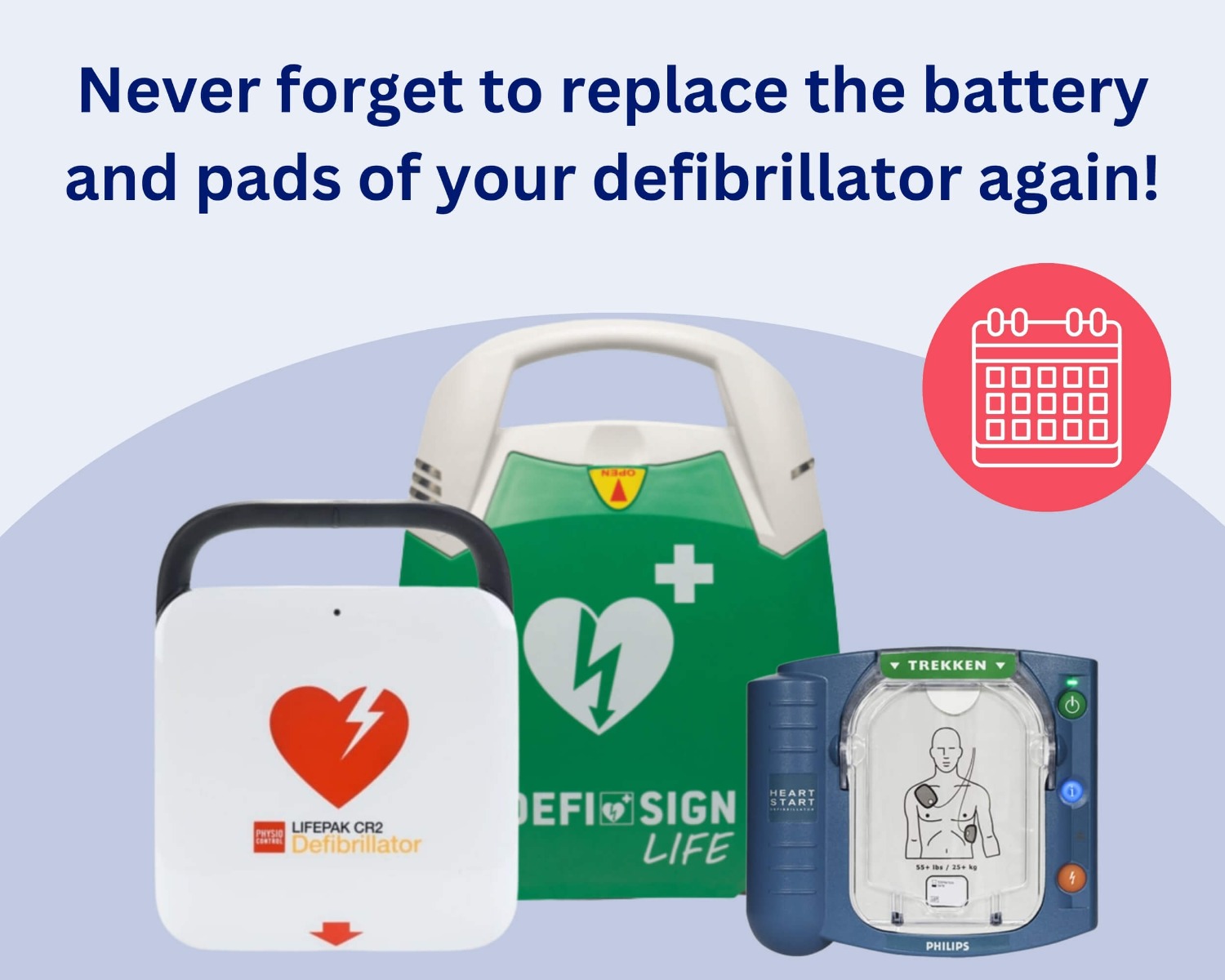
- Is the AED regularly checked and maintained?
Simply having an AED on the wall is not enough. What matters is that people know how to respond when every second counts.
Preparation Makes the Difference
Fortunately, the incident involving Christian Eriksen had a positive outcome. Thanks to immediate medical assistance and his ICD, intervention was possible without delay.
Most people do not have that protection. That is why proper preparation remains essential. A functioning defibrillator, people who know what to do, and a clear emergency response protocol can make the difference between life and death.
You hope you never need a defibrillator. But when an emergency occurs, you will be glad that you were prepared.